It’s that weird time of year again when mentally you want to start winding down for the festive period, but realistically you’ve probably got stacks to get through before you can check out. Between juggling journalist out-of-office replies and trying to squeeze a month’s worth of work into three measly weeks, you’re probably also trying to find time to plan for January 2026 and beyond.
If reviewing your tools and processes is part of that, you might be wondering which PR plugins and platforms are actually worth carrying with you into the new year. With budgets tightening and expectations rising, the right tools can make a huge difference to your results – and your sanity.
To help, we’ve rounded up four essential PR tools and plugins that are genuinely tried and tested, used daily, and ones we rely on ourselves. Most are free or have free variations, so you can boost your results in 2026 without blowing your budget. Here’s what deserves a spot in your toolkit.
What’s in this article:
- ListIQ
- Synapse
- Glimpse
- Similar Sites
ListIQ
There’s been plenty of chatter in the digital PR industry about AI stepping in to try and replace the parts of our jobs built on experience and nuance (the Olivia Brown AI drama comes to mind!). But how can AI know that the headline you think will land is actually completely off the mark for today’s news cycle, or that the quirky anecdote buried in your research is the nugget that will actually go viral?
AI is certainly powerful, but it can’t replace the instinct you’ve built from pitching, learning, failing, and trying again. What it can do is support that instinct – speeding up the tasks that don’t need your expertise, so you can focus on the ones that do.
A tool that proves this brilliantly is ListIQ. Anyone who’s spent time in digital PR or outreach knows the pain of spending hours manually searching for journalists who might be interested in your story. Media databases are useful – but in my experience, they have limits.
I’ve used several throughout my PR career, and they’re not always great at picking up changes to journalists’ beats. As newsrooms have shrunk, roles have shifted. Travel writers are suddenly covering home and garden, politics reporters are writing general news, and some lifestyle writers end up reporting on weather updates. Media databases don’t always keep pace with that.
They can also fall short on contact accuracy. Sometimes a journalist isn’t listed under an outlet at all. Other times they’re listed, but with no email or social handles. And occasionally the email they do list just bounces. It’s why you should never rely solely on any media database and why manual research will always matter. Keeping an eye on who’s writing what right now is essential, but that’s only half the job. You might identify the perfect journalist for your story, but then comes the harder bit – actually finding their contact details. Traditional databases can help, and guessing email formats works sometimes (e.g. firstname.lastname@reachplc.com), but neither is foolproof.
ListIQ is a genuinely time-saving tool that bridges the gap between manual research and outdated media databases. It’s an extension that you can add to Google Chrome, so all you have to do is Google themes, topics, and keywords that are relevant to your campaign, click on the ‘News’ tab, and from there you can select the articles and journalists that are most relevant. ListIQ will then automatically pull their contact details and social handles, letting you quickly build a really targeted media list without even having to leave your browser. Then, you just have to download the list to a Google or Excel Sheet. It turns what usually takes hours into a matter of minutes, so you can focus on the stuff that AI REALLY can’t replicate, like ideation and planning. And it helps that the guys at Buzzstream (who made ListIQ) are really lovely too!
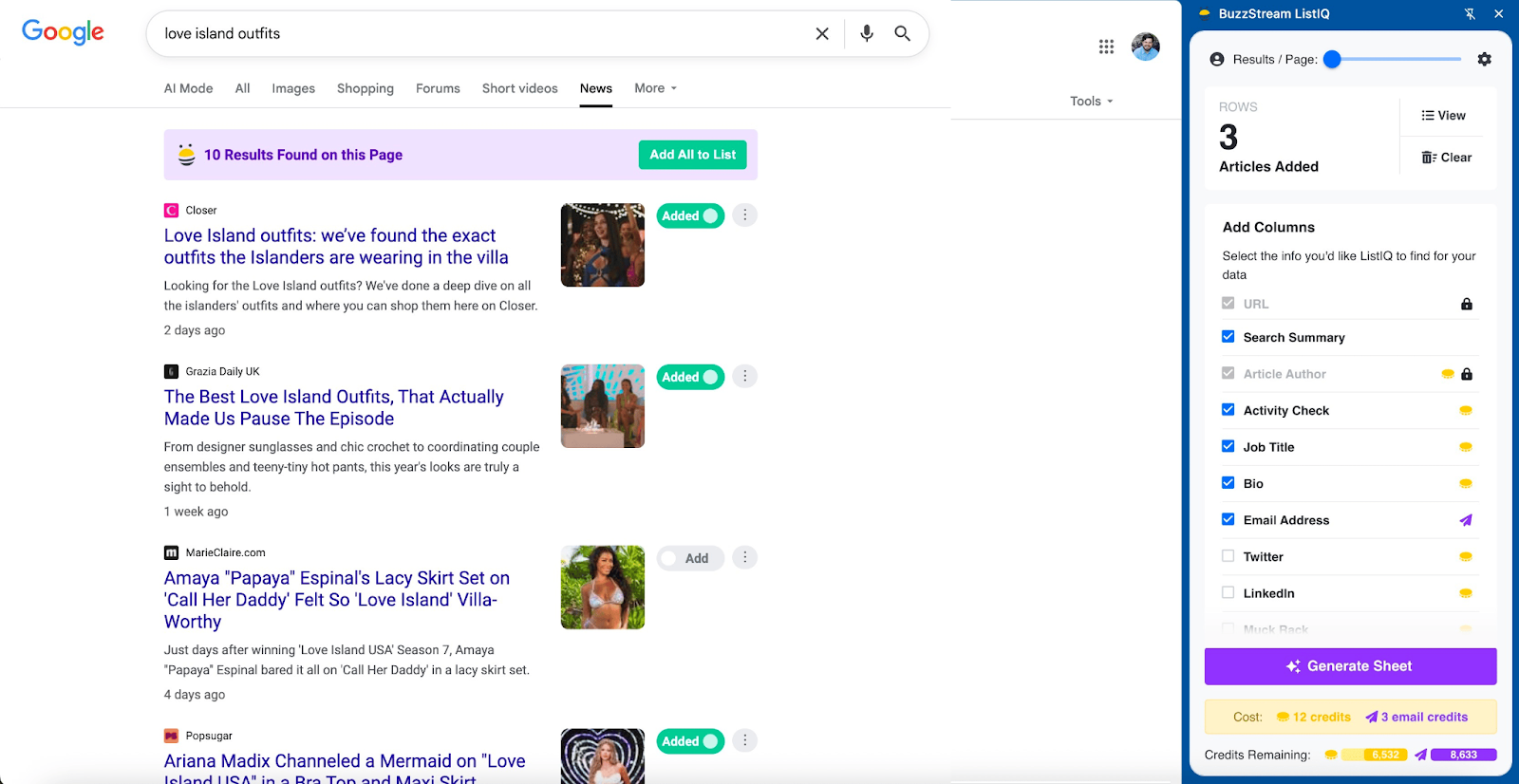
You can get a free trial and download the Chrome extension here.
Synapse
Any seasoned PR professional knows the importance of balancing proactive and reactive activity in a well-rounded campaign. A thorough plan of attack is essential, but you also need the flexibility to respond to the changing news agenda and jump on trending topics that are relevant to your clients or your own industry.
A key part of a strong reactive or newsjacking strategy is giving yourself the time and space to be able to actually scroll through the news and see what’s happening in real time – this is time that should always be factored into PR projects and retainers, if it’s applicable to the client. Beyond that, it helps to have a tool that delivers journalist requests straight to your inbox. Tools like ResponseSource have been around for years, but they often come with a hefty price tag. What makes Synapse stand out is that it’s completely free (yes, really!) making it an accessible way to stay on top of opportunities without breaking your toolstack budget.
Only PR professionals and journalists can sign up, and the Synapse team verifies all new accounts to make sure every user is genuine and relevant to the platform. This ensures that the requests you see are really high quality, targeted opportunities, and that any connections you make are with real, active media professionals. Within around 24 hours you’ll receive an approval email giving you access and once logged in, you can start using Synapse to browse media requests and connect with journalists.
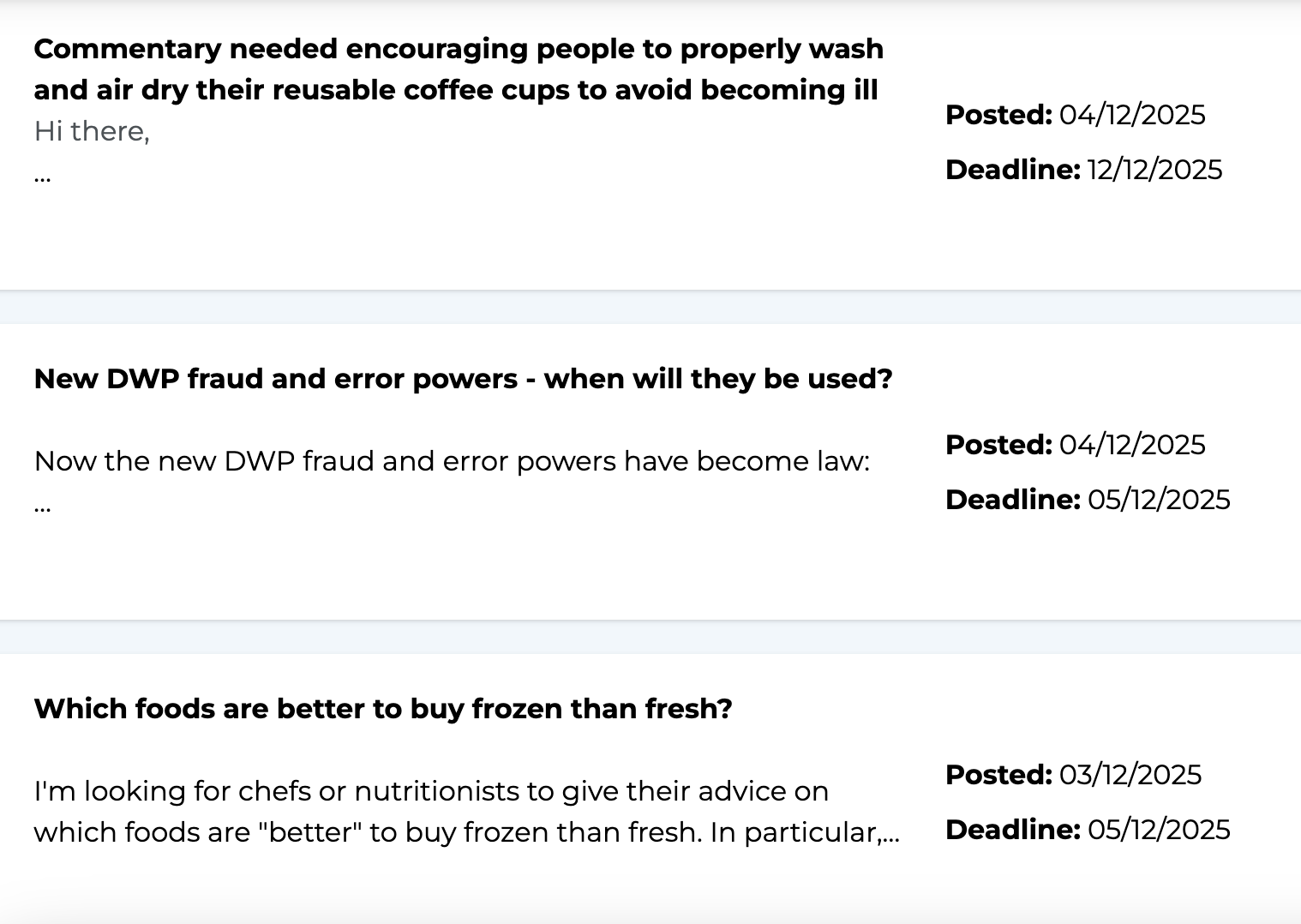
I’ve removed the names of journalists and media outlets from the screenshot above for GDPR reasons, but it still gives you a clear snapshot of how Synapse displays journalist requests, showing the type of stories being pitched, relevant topics, and the deadlines for responses. This makes it easy to see at a glance which opportunities are worth pursuing for your campaigns. You can also receive the requests straight to your inbox, which helps you respond quickly and stay on top of new opportunities.
Since using Synapse, we’ve earned hundreds of media placements and backlinks for clients across a wide range of industries, from garden and lifestyle to insurance and travel. The platform has made it faster and easier to identify the right journalists and pitch relevant stories to secure coverage that drives real results.
You can find out more information about Synapse and sign up here.
Glimpse
In a similar vein to the above (talking about reactive activity and newsjacking), another tool that helps you spot breaking news or emerging trends is Glimpse. Glimpse is a browser extension that “super‑charges” Google Trends. Instead of the relatively basic trends data you get by default, Glimpse layers on extra insights like actual search volume numbers, growth/trajectory metrics, seasonality and trend forecasts, and alerts for when certain topics start gaining traction.
This is really useful not only for identifying trends or search behaviour before a topic hits the mainstream so you can create content and pitches around that, but it also lets you support your story ideas with data. Showing real search volume or rising interest helps when pitching journalists or convincing clients there is demand for a story angle right now. Since digital PRs often have to produce content that needs to perform both for media coverage and search visibility (in terms of backlinks, organic traffic etc.), Glimpse helps you pick topics that have search momentum.
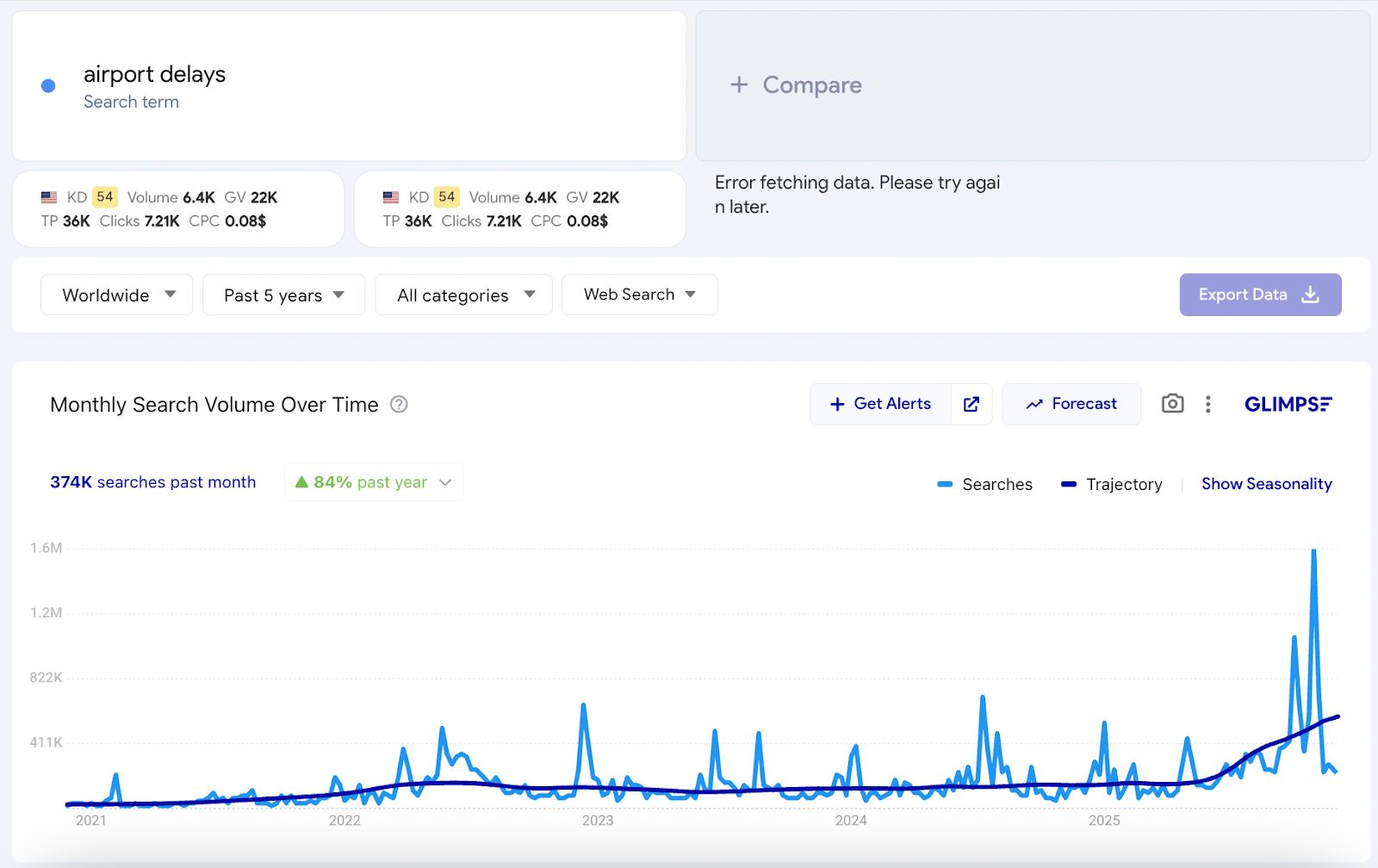
There’s a free version (with limited searches) and paid tiers for heavier use. Download the plugin here.
Similar Sites
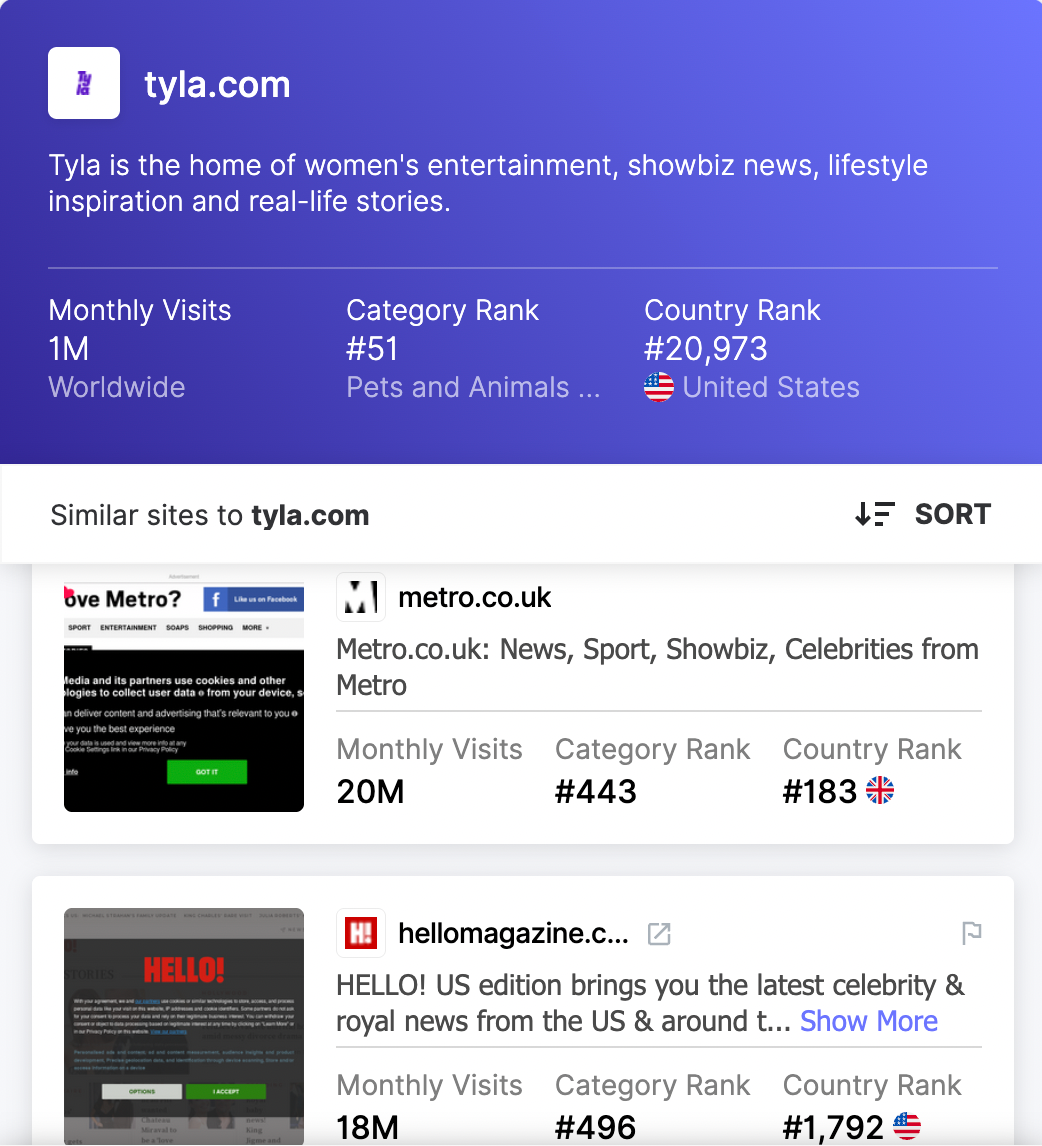
Similar Sites is another really useful tool for media list building, and when you pair it with something like ListIQ you’ve got some serious list building power. It helps you find websites, blogs, and publications with audiences or content themes similar to those you already know are a good fit for your campaign. Instead of spending ages hunting for new outlets, the tool quickly reveals relevant targets you might never have spotted on your own.
For example, say you’ve secured coverage on Tyla or you know your story is a perfect fit for them. Similar Sites instantly find other outlets with a similar audience profile or editorial style. Instead of manually searching for “websites like Tyla”, the tool does the heavy lifting and provides a list of outlets such as entertainment sites, women’s lifestyle titles, trend-led publications, and pop culture-focused sites that appeal to the same readership.
This gives you a ready made pool of highly relevant targets you might not have thought to pitch. It also helps you refine your angle. For example, if several Tyla-adjacent sites lean into nostalgic trends or TikTok-driven stories, you can tweak your pitch to match what those audiences engage with most.
Better yet, this is another free tool, so installing the plugin is a total no-brainer. You can download it here.

.jpg)
.jpg)
.png)