In the 2000s and 2010s, something funny happened to the way we talk about finding information online. Google – once just the name of a search engine – turned into a verb. We stopped looking up things, we Googled them. Googling became shorthand for settling debates… and figuring out what film you know that actor from.
We still say it now. “I Googled it” has become second nature.
But the way we search has been shifting for a while now. We’re not just Googling anymore – we’re heading to TikTok for restaurant tips, Instagram for outfit ideas, and YouTube for honest reviews. As a result, Google’s share of global search traffic fell to 89.71% in March 2025, according to Statcounter – the first time it’s dipped below 90% in nearly ten years! It might not sound like much, but that translates to a whopping 9 billion fewer visits.
Another 2024 study by Forbes shows Google usage among Gen Z in particular actually dropped by as much as 25% compared to Gen X. We’re clearly TikToking, Instagramming and YouTubing our way to answers. Couple that with the growing number of people turning to AI-powered search tools, and it becomes clear that search isn’t just evolving – it’s fragmenting.
Social search has essentially transformed social media from spaces built for entertainment and engagement to actual search destinations. According to an April 2024 survey, one quarter of adults in the United States preferred to use social media as their primary choice for online search, and 46% of Gen Z-ers used social media as their first option for online search in 2024. For Millennials, it was just a little lower at 35%, but even Gen X have been using social media to find information – 18%, in fact.
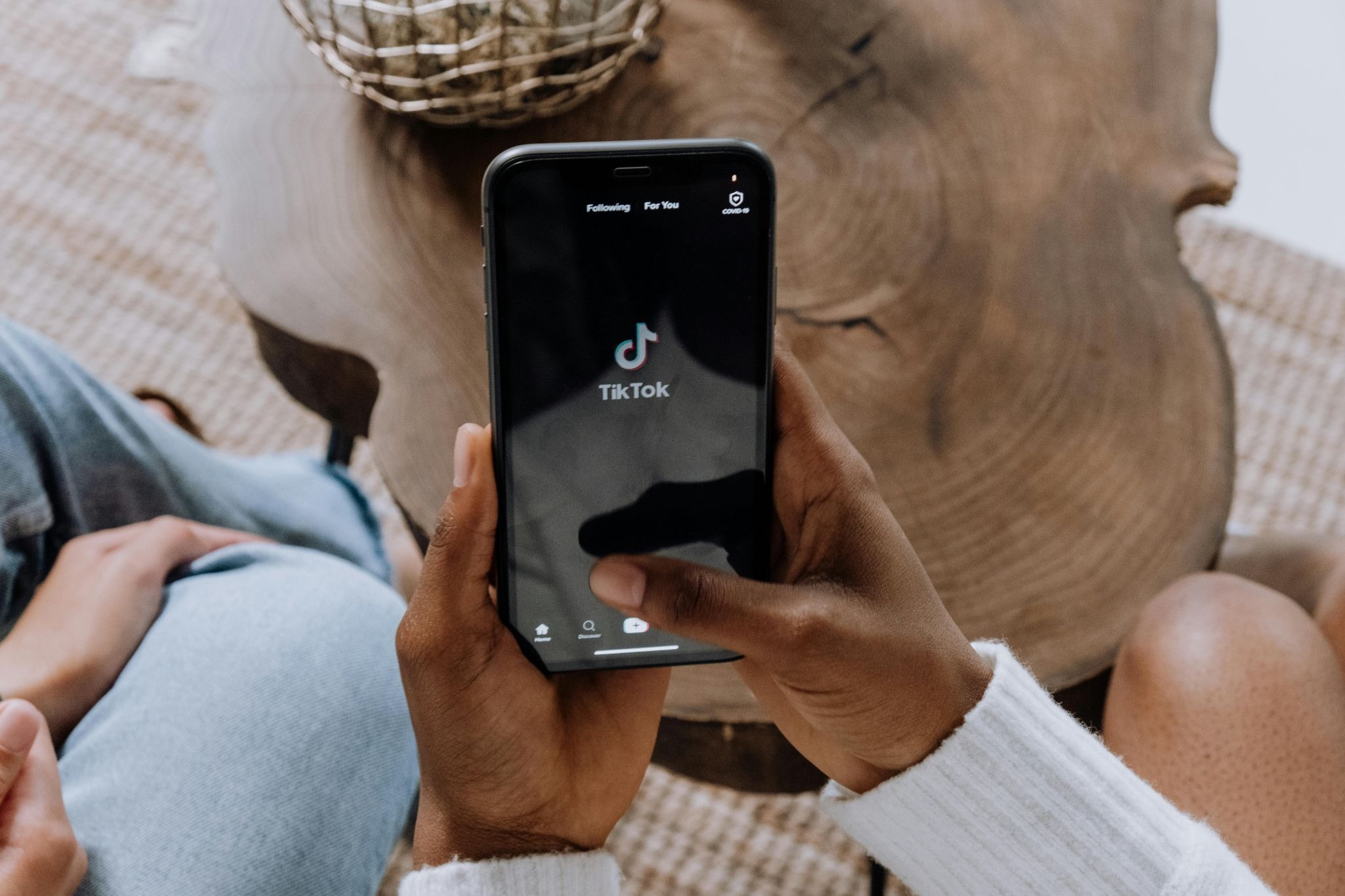
TikTok is particularly popular – around 41% of respondents in the United States claimed to have used the video-based platform as a search engine in the same year.
So to have a strong online strategy in 2026, you need to be showing up wherever your audience is looking. That means appropriate social media platforms, as well as high domain authority news sites and blogs.
If you’re wondering how to develop a social search strategy and optimise it for your brand, read on…
What’s in this article:
- What is social search and why is it growing in 2026?
- How consumers use TikTok, Instagram and YouTube as search engines
- Why Gen Z and Millennials prefer social platforms over Google
- How can brands benefit from social search in 2026?
- How to measure social search performance and ROI
- Key takeaways
What is social search and why is it growing in 2026?
Social search refers to people using social media platforms like TikTok, Instagram, and YouTube as their primary way to search for information and get recommendations, instead of relying solely on traditional search engines like Google.
Here’s the Wikipedia definition:
“Social search is a behaviour of retrieving and searching on a social searching engine that mainly searches user-generated content such as news, videos and images related search queries on social media like Facebook, LinkedIn, Twitter, Instagram and Flickr.”
So, instead of scrolling through long lists of links in traditional search engine results pages (SERPs), users are turning to short-form videos and other visual posts to get faster, more relatable answers. For example, someone might search TikTok for “best cafés in Manchester” or watch a YouTube review before buying a new laptop. This is how social platforms are becoming search engines in their own right and in fact, a 2024 survey found that one quarter of adults in the United States preferred to use social media as their primary choice for online search.
But why is this happening now? Well, a few things seem to be pushing the trend. Videos seem to be the format people prefer – they’re fast, engaging, and way easier to digest than a block of text. At the same time, trust in traditional advertising is low. Only 40% of the UK public trusted advertising in 2025. People want real experiences from real people, not just polished marketing campaigns pushed all over their newsfeeds.
TikTok has contributed massively to this trend: around 41% of users say they’ve used the platform as a search engine. People clearly like the immediacy and visual format that these platforms provide – things traditional search engines typically struggle to offer.
Algorithms are also getting smarter at showing exactly what people want, meaning users can often stumble across answers without really having to “search” at all. And for younger audiences in particular, social platforms just feel faster, but still more trustworthy than scrolling through a load of random websites.
So, it seems social media isn’t just for scrolling or liking pictures anymore. People are heading to relevant platforms to research, discover, and actually make buying decisions. This means brands that want to stay visible in 2026 need to jump on the bandwagon because social search is becoming a go-to way people find information online.
How consumers use TikTok, Instagram and YouTube as search engines
So, we’ve established that instead of opening Google, many people – particularly the younger generations – are now heading straight to TikTok or Instagram.
But the way consumers use social search often depends on exactly what they are looking for. Some searches are about discovery, like finding “the best cafés in London” or “hidden gem weekend trips”. Others are more research and review-led, e.g. “honest Dyson Airwrap review” or “best laptops for students”. Social platforms are also popular for how-to content, whether that’s “how to style cowboy boots” or “how to organise a small kitchen”. And for more open-ended browsing, users search for inspiration, like “small living room ideas” or “outfit ideas for spring”. Here are more examples:
Discovery:
- “Best brunch spots in London”
- “Hidden gem cafés near me”
- “Fun things to do in Manchester this weekend”
- “Underrated travel destinations in Europe”
Reviews:
- “Honest Dyson Airwrap review”
- “Is the Stanley cup worth it?”
- “Real review of Zara basics”
- “Best affordable foundation review”
How to:
- “How to organise a small bedroom”
- “How to budget as a student”
- “How to meal prep for the week”
- “How to grow herbs on a windowsill”
Inspiration:
- “Small living room ideas”
- “Outfit ideas for spring”
- “Minimalist bedroom ideas”
- “Wedding table décor ideas”
Product research:
- “Best laptops for students”
- “Best air fryer for families”
- “Best budget headphones”
- “Best running shoes for beginners”

Each platform plays a slightly different role in how people search too.
TikTok
TikTok is often used for quick, bite-sized recommendations – think local restaurant tips and short product demos that let users see items in action before buying. Saying that, it introduced long-form, 10 minute videos in early 2022 – primarily for revenue purposes (they needed to be able to sell more ads). Nevertheless, it’s become especially popular for local searches, like finding nearby food spots and activities when you’re visiting a new place.
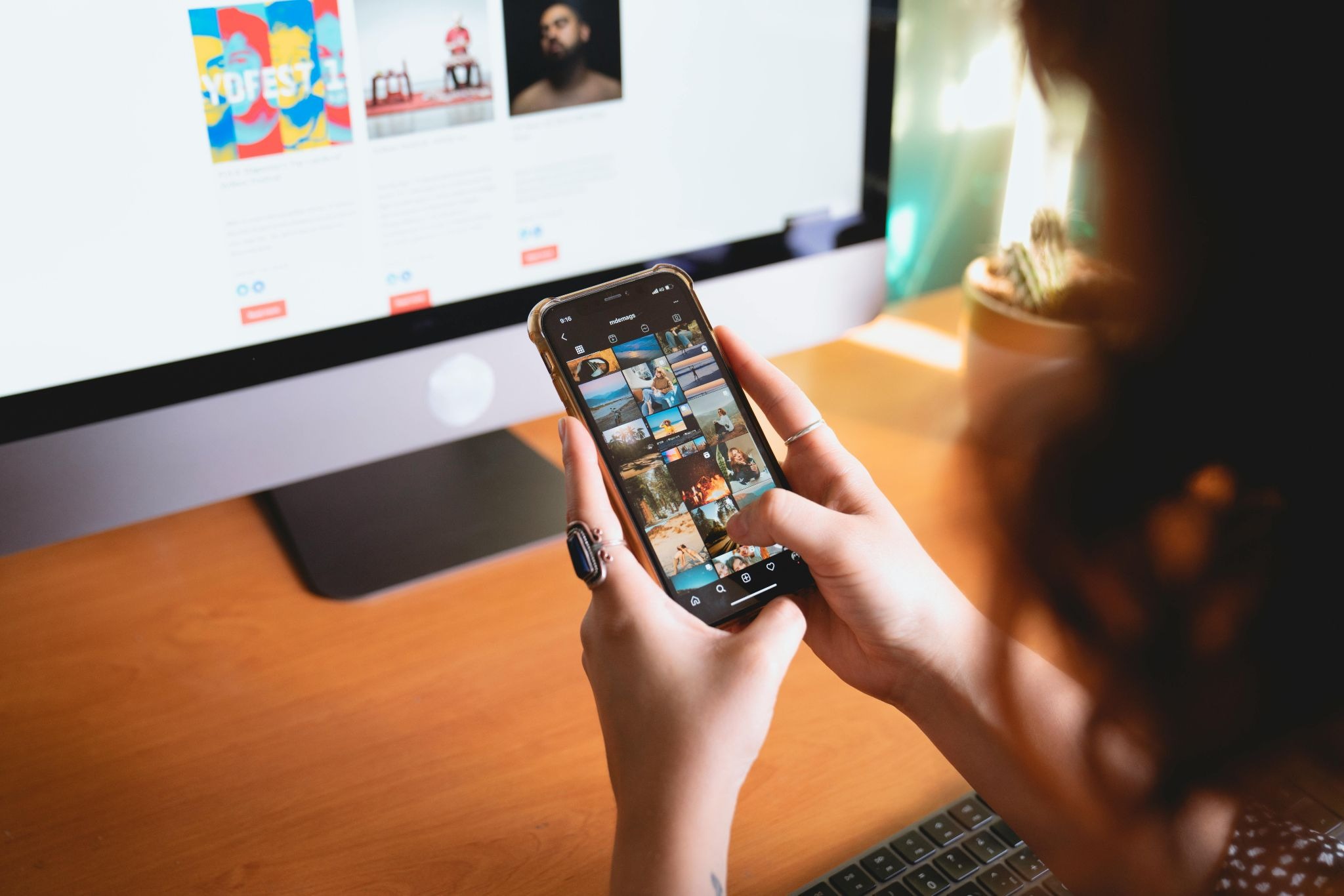
Instagram, on the other hand, leans more towards visual discovery – 83% of users use it to search for new brands and products. People use it to explore brands and browse products that match their personal style – particularly in fashion, interiors, beauty and travel.
YouTube
YouTube tends to be the go-to for deeper research. Users turn to it for long-form reviews, step-by-step tutorials, and detailed comparisons, especially for higher commitment purchases or technical decisions where the creators can delve deeper into the details.
How can brands benefit from social search in 2026?
So there’s clearly plenty to be gained from developing a social search strategy for your brand in 2026 – it’s an opportunity to get discovered, build trust, and even influence purchasing decisions.
But how exactly can brands actually win in social search? Here are a few tips to get you started.
- Create searchable content
Content that answers questions or shows products in action performs best. Think:
- “Best X for Y” videos – like “Best foundations for oily skin”
- How to and FAQ content – “How to set up a small home office”
- Explainer reels or short tutorials
- Problem-solution content – “Struggling with dry hair? Here’s what works”
- Optimise for platform search
Social search works differently to Google, but optimisation is still about using the right keywords and context:
- Include relevant keywords in captions
- Speak key phrases in videos (TikTok and YouTube can pick up audio)
- Use on-screen text to reinforce important terms
- Add alt text and hashtags for extra discoverability
- Write descriptive titles and captions so people know exactly what they’re clicking on
- Partner with creators
Creators are often already ranking in feeds for searches your audience is making. They bring loyal audiences and authentic content that often outperforms the more polished, brand-led stuff. User-generated content like this can drive awareness and credibility in a way ads alone can’t.
- Use social search to support SEO and digital PR
Social discovery can also feed broader marketing activities. Viral videos and trending posts can:
- Drive backlinks and traffic to your website
- Shape media narratives and coverage
- Provide content for press releases and other PR campaigns
Getting this right can make a real difference, but to make the most of it, brands also need to know how to track performance and measure ROI. That’s where metrics and analytics come in, which we’ll cover in the next section.
How to measure social search performance and ROI
It’s one thing to show up in feeds and get eyeballs on your content – but how do you know if it’s actually working? Measuring social search performance means looking at the right metrics, using the right tools, and tracking the impact over time. Here’s a breakdown.
Social search metrics that matter
Discovery metrics: these tell you how many people are seeing your content.
- Reach – how many unique users have seen your post
- Impressions – how many times your content has been displayed
- Search-based views – views that come directly from someone searching keywords
- Profile visits – how many people checked out your profile after discovering your content
Engagement metrics: these show how people interact with your content.
- Saves – how many people bookmarked your post for later
- Shares – how often your content is passed along
- Comments – what people are saying and asking
- Watch time – especially for videos, how long people actually watch
Conversion metrics: these prove whether social search is driving real business outcomes.
- Website clicks – traffic driven from social content
- Promo code usage – purchases linked to social campaigns
- Sales from social traffic – direct purchases resulting from your content
- Assisted conversions – when social content influences a purchase later down the line
Platform-specific social search tools
Most social platforms make this easier with built-in analytics:
- TikTok Analytics – views, engagement, traffic, trending content
- Instagram Insights – reach, saves, profile interactions
- YouTube Studio – watch time, clicks, audience retention
- Google Analytics – referral traffic from social posts to your website
How to track social search impact specifically
Social search goes beyond simple engagement and focuses on being found when people are actively looking. Some practical ways to track this:
- Monitor keyword-led content performance - see which searches your content is appearing for
- Track comments mentioning discovery - for example, “Found this on TikTok!”
- Use UTM links to measure traffic and conversions from specific posts
- Track branded search lift - see if searches for your brand increase after viral content
Measuring long-term brand value
Clicks and conversions are important, but social search also helps brands build lasting value in ways that aren’t always immediately visible.
First, it drives brand awareness – more people are seeing your content and starting to associate your brand with the products or services you offer. That visibility naturally feeds into consideration, meaning your brand is top-of-mind when consumers are making decisions or comparing options.
Social search also plays a key role in trust. Content from creators or peer recommendations feels authentic and credible in a way that traditional advertising often can’t. And when people trust your brand, they’re more likely to engage and share.
Finally, it can encourage repeat purchases. Users who discover your brand through social search don’t just make one-off transactions, they often come back, whether it’s for the same product, a new release, or simply because your brand has earned a place in their regular shopping routine.
Key takeaways
- Social platforms are becoming search engines in their own right. Consumers aren’t just scrolling anymore – they’re actively searching on platforms like TikTok, Instagram and YouTube.
- Search intent still matters – it just looks a bit different. Discovery, reviews, inspiration, how-to content and product research are all happening on social media.
- Each platform plays a different search role. Winning brands understand what their audience is searching for and tailor content to the platform’s strengths, not just the format.
- Social search requires optimisation AND creativity. Social platforms rely on keywords, context and user signals to surface content. If your content isn’t searchable, it isn’t discoverable.
- Performance goes beyond likes. Engagement is only part of the picture. Tools like Google Analytics and UTM tracking help connect visibility to real outcomes.

.jpg)
.jpg)
.png)